
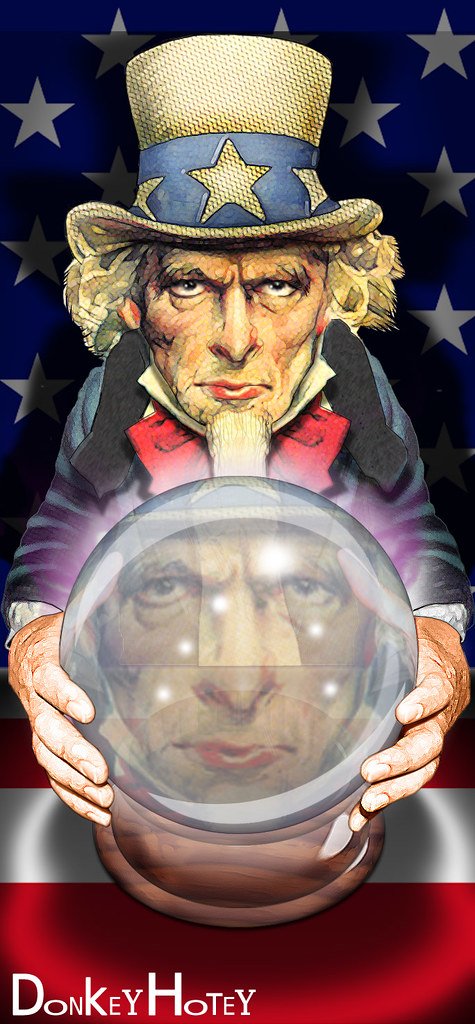
prediction markets regulation is becoming increasingly challenging as New York files a significant motion and multi-state opposition mounts. This development could reshape the landscape of online gambling.
Understanding Prediction Markets
Prediction markets are platforms where individuals can wager on the outcomes of future events, ranging from political elections to sports results. These markets operate on the principle that collective wisdom can produce accurate forecasts. However, their unique nature has raised questions regarding prediction markets regulation.
Participants can buy and sell shares based on their beliefs about the likelihood of specific outcomes. If the event occurs, shares for that outcome typically pay out a predetermined amount, while those for other outcomes become worthless. This mechanism incentivizes users to share timely and truthful information.
Despite their potential benefits in providing valuable insights, lawmakers have expressed concerns over the potential for manipulation and ethical implications. As regulatory pressure intensifies, particularly with New York’s recent filing against these platforms, the future landscape of prediction markets may become increasingly constrained by legal requirements and state-specific regulations.
The New York Filing Explained
The recent filing in New York has brought significant attention to the regulation of prediction markets. This move reflects the state’s growing concern over the potential risks associated with these platforms. Regulators are aiming to ensure that consumers are protected while also addressing the complexities of market predictions.
Key aspects of the New York filing include:
- Increased Oversight: Regulators are proposing stricter guidelines for operators to follow.
- Consumer Protection: The filing emphasizes the need for transparency and security to safeguard users.
- Legal Clarity: Efforts are underway to clearly define the legal status of prediction markets within the state.
The ramifications of this filing could set a precedent for how prediction markets regulation is approached across the country, potentially influencing similar actions in other states.
Multi-State Opposition Overview
As regulatory pressure intensifies, several states are voicing opposition to the regulation of prediction markets. Lawmakers express concerns that strict regulations could stifle innovation and limit consumer participation. The implications of New York’s recent filing have resonated beyond its borders, prompting discussions in various state legislatures.
Key states taking a stance include:
- California: Advocates argue for a more lenient approach, asserting that prediction markets could enhance economic activity.
- Texas: Lawmakers propose alternative frameworks that prioritize consumer protection without overregulation.
- Florida: Officials are cautious, emphasizing a need for research before implementing any restrictive measures.
The multi-state opposition reflects a growing concern that overly stringent prediction markets regulation may hinder the potential benefits these innovative platforms can offer to both consumers and the economy.
Impact on Online Gambling
The recent regulatory pressure surrounding prediction markets has significant implications for online gambling. New York’s stringent stance highlights a growing concern among state authorities about the legitimacy and legality of these markets. As lawmakers scrutinize the operations of prediction markets, they may inadvertently affect the broader landscape of online gambling.
Many operators fear that increased regulation could hinder innovation and limit consumer access. Stakeholders in the gambling industry are closely monitoring these developments, as they may lead to stricter enforcement of existing laws and potentially new restrictions.
- Licensing challenges could arise for companies looking to operate prediction markets legally.
- The risk of criminal penalties may deter investment in this sector.
- Consumer choice might diminish as fewer options become available.
As the landscape evolves, the outcome of prediction markets regulation will be pivotal for both operators and users alike.
Historical Context of Regulation
Prediction markets have long existed in a gray area of regulation, often attracting scrutiny from state and federal authorities. Historically, these markets have faced challenges due to their resemblance to gambling, prompting regulators to impose strict rules. As the industry evolved, some states began to explore regulatory frameworks to manage these platforms effectively.
In recent years, however, the regulatory landscape has become increasingly complex. New York’s recent filing highlights a significant shift towards tighter prediction markets regulation, reflecting growing concerns over consumer protection and market integrity. While some states have embraced prediction markets as innovative financial instruments, others have taken a more cautious approach, prioritizing the need for oversight.
This divergence in regulatory attitudes has led to a patchwork of laws across the country, creating uncertainty for operators and users alike. As pressures mount, the future of prediction markets may hinge on how states reconcile their differing views on regulation.
Stakeholder Reactions
As New York’s regulatory landscape evolves, stakeholder reactions to the prediction markets regulation have been mixed. Industry advocates argue that stringent regulations could stifle innovation and limit access to these emerging markets. They emphasize the importance of fostering a competitive environment that allows for the growth of prediction markets, which can provide valuable insights on various issues.
Conversely, public interest groups have welcomed the regulatory measures, citing concerns about the potential for gambling addiction and the ethical implications of betting on uncertain outcomes. They believe that a cautious approach is necessary to protect consumers and ensure fairness across the board.
Moreover, some lawmakers are calling for a more balanced framework that addresses both the economic opportunities and the risks associated with prediction markets. The debate continues as stakeholders await further developments in New York’s regulatory approach.
Future of Prediction Markets
The future of prediction markets appears uncertain as regulatory pressure intensifies, particularly following New York’s filing against these platforms. Stakeholders in the industry are left contemplating the implications of potential regulation on innovation and market growth.
Many experts believe that the recent scrutiny may lead to stricter compliance requirements, which could stifle the development of new prediction market technologies. A few key factors will shape the future landscape:
- Legal Framework: The establishment of clear and consistent regulations across states may provide a path forward for prediction markets.
- Market Adoption: Increased public interest could drive platforms to adapt and operate within the bounds of regulation.
- Technological Advancements: Innovations might emerge to navigate regulatory challenges and enhance user experience.
In summary, while the future of prediction markets regulation remains in flux, continued dialogue among stakeholders will be crucial in determining the viability of these platforms.
Conclusion: Navigating the Challenges
As the regulatory landscape surrounding prediction markets continues to evolve, stakeholders must navigate a complex array of challenges. New York’s stringent regulatory measures highlight the increasing scrutiny these markets face, potentially setting a precedent for other states to follow. The prediction markets regulation debate raises essential questions about consumer protection, market integrity, and the balance between innovation and oversight.
While proponents argue that these markets can enhance democratic engagement and provide valuable insights, opponents express concerns about gambling addiction and market manipulation. The diverse reactions from industry players, regulators, and the public underscore the need for a well-rounded approach to regulation.
Ultimately, finding common ground will be crucial. As states like New York tighten their grip, the viability of prediction markets may depend on their ability to adapt to regulatory expectations while fostering innovation and participation.
As the debate intensifies over prediction markets regulation, stakeholders are voicing their concerns about the implications of New York’s tough stance. The evolving landscape of prediction markets regulation could significantly impact how these platforms operate in the future.
By DonkeyHotey via Openverse