
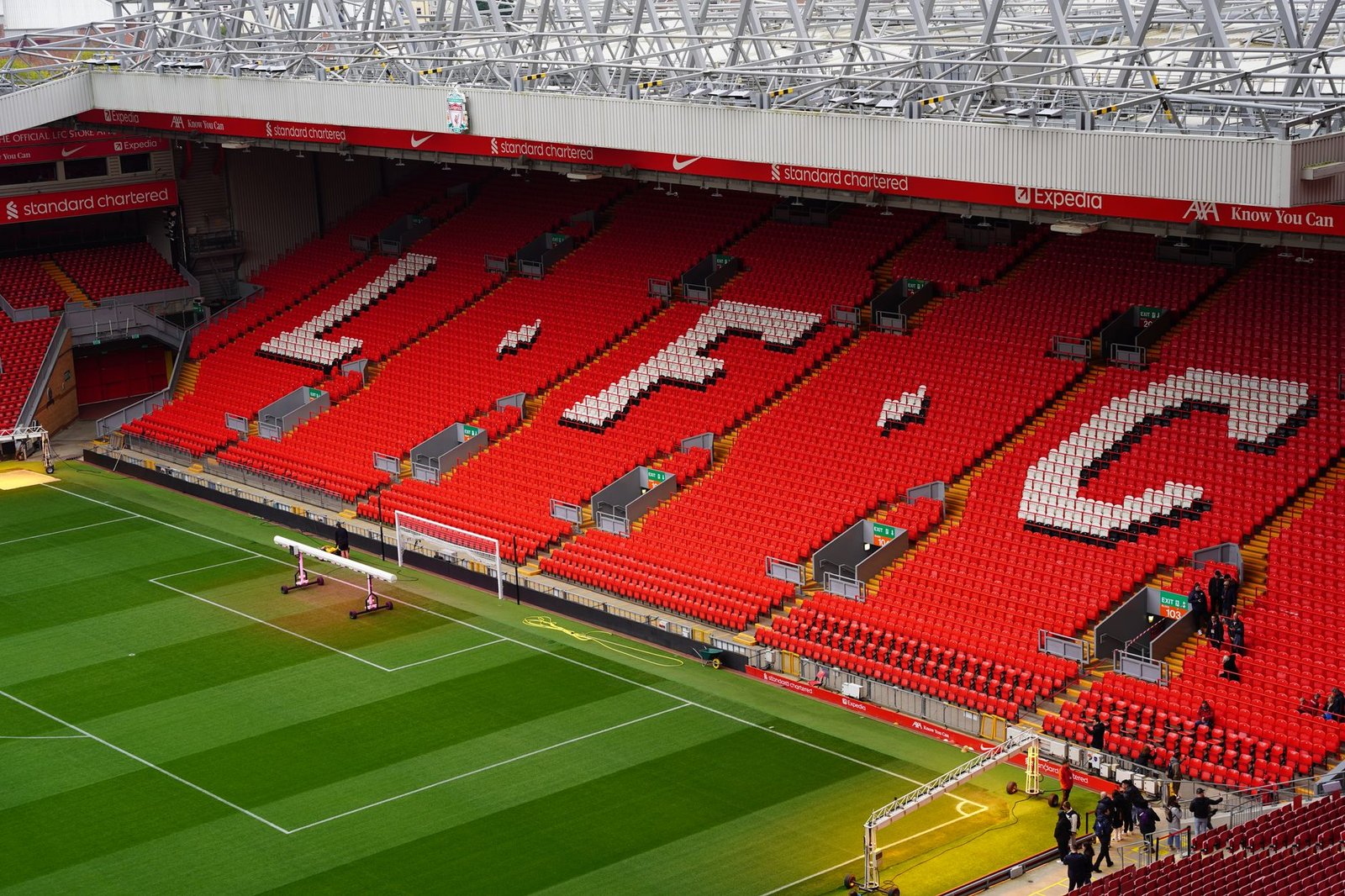
Premier League sponsorship revenue has risen 8% despite the gambling ban affecting the league. This increase indicates a strong market for alternative sponsorship opportunities.
Impact of Gambling Ban on Sponsorship
The recent rise in Premier League sponsorship revenue, despite the ongoing gambling ban, highlights the league’s resilience and appeal to brands. The ban, which restricts gambling companies from sponsoring teams, has prompted clubs to explore alternative sponsorship opportunities.
Several factors contribute to this growth in sponsorship revenue:
- Diverse Partnerships: Clubs are increasingly partnering with companies from various sectors such as technology, automotive, and financial services, broadening their sponsorship portfolios.
- Global Reach: The Premier League’s international popularity continues to attract global brands eager to tap into its vast audience, thus increasing commercial revenue.
- Innovation in Marketing: Teams are leveraging digital platforms and social media to enhance visibility for their sponsors, making partnerships more attractive.
While the gambling ban poses challenges, it has also opened doors for non-gambling entities to step in, thereby diversifying the Premier League sponsorship landscape. As clubs adapt to the new regulations, the overall impact on Premier League sponsorship revenue may ultimately prove to be positive, fostering a more varied and sustainable commercial environment.
In the end, the Premier League’s ability to maintain and grow its sponsorship revenue serves as a testament to its enduring allure and strategic adaptability in a changing market.
Current Trends in Sports Sponsorship
The world of sports sponsorship is evolving rapidly, with significant changes in the Premier League sponsorship revenue landscape. Recent trends indicate a marked shift in how brands are engaging with football clubs, particularly in light of regulatory changes.
One notable trend is the increase in partnerships with non-gambling brands, which has become essential given the recent gambling ban affecting many clubs. This shift has opened up new avenues for sponsorship, allowing teams to diversify their revenue streams.
- Growth of Non-Gambling Sponsors: Many clubs are actively seeking partnerships with companies in sectors such as technology, healthcare, and renewable energy.
- Focus on Global Brands: The Premier League’s international appeal continues to attract global brands, contributing to an overall increase in sponsorship deals.
- Innovative Sponsorship Models: Clubs are exploring creative sponsorship models that go beyond traditional shirt deals, incorporating digital and experiential marketing strategies.
As a result, the Premier League sponsorship revenue has shown resilience and adaptability, rising by 8% despite the challenges posed by the gambling ban. This growth reflects a broader trend within sports sponsorship, highlighting the ability of clubs to thrive by embracing new opportunities and partnerships.
Alternative Revenue Streams for Clubs
The landscape of Premier League sponsorship revenue is evolving, with clubs increasingly exploring alternative revenue streams to enhance their financial stability and competitiveness. As traditional sponsorship avenues face challenges, particularly with the recent gambling ban, clubs are pivoting towards innovative partnerships and collaborations.
One key area of growth is in digital and tech sponsorships. Many clubs are forging alliances with technology companies, leveraging the increasing integration of digital experiences in sports. This includes partnerships that focus on fan engagement through apps and virtual reality experiences.
Another promising avenue is sustainability-focused sponsorships. As environmental concerns rise, clubs are aligning with brands that promote eco-friendly practices. These partnerships not only attract new sponsors but also resonate with a growing segment of socially conscious fans.
Furthermore, clubs are tapping into local businesses, creating community-oriented sponsorship opportunities. This not only strengthens ties with local supporters but also helps in diversifying the sponsorship portfolio, which is crucial for maximizing Premier League sponsorship revenue.
In addition, merchandising and licensing deals are being re-evaluated. By creating unique product lines and experiences that reflect their brand identity, clubs can generate additional income beyond traditional sponsorships. This multifaceted approach is essential for clubs aiming to thrive in a dynamic sports market.
Analysis of Premier League Financials
The latest analysis of Premier League financials reveals a notable increase in sponsorship revenue, showcasing the league’s resilience and growth potential. In the face of regulatory changes, particularly the recent gambling ban, clubs have adapted by diversifying their sponsorship portfolios, leading to a robust 8% rise in shirt sponsorship revenue.
This growth reflects a wider trend in the sports sponsorship landscape, where brands are increasingly recognizing the value of aligning with premier football clubs. Factors contributing to this rise include:
- Increased global visibility: The Premier League’s international reach enables brands to tap into new markets and audiences.
- Enhanced digital engagement: Clubs are leveraging social media and digital platforms to provide sponsors with innovative advertising opportunities.
- Strategic partnership development: Many clubs are seeking long-term relationships with sponsors that extend beyond traditional advertising, fostering deeper connections with fans.
As teams continue to explore different avenues for revenue generation, the emphasis on Premier League sponsorship revenue will likely remain strong. This growth not only benefits the clubs but also enhances the overall appeal of the league to fans and investors alike, setting a positive trajectory for the future.
Future of Sponsorship in Sports
The future of sponsorship in sports, particularly in the Premier League, is poised for significant transformation as clubs adapt to changing regulations and market dynamics. With the recent increase in Premier League sponsorship revenue, which has risen by 8% even amidst a gambling ban, it is clear that teams are exploring innovative avenues to attract brand partnerships.
As traditional sponsorship models evolve, clubs may increasingly focus on forging deeper connections with their fan bases. This can lead to more tailored sponsorship opportunities that go beyond logo placements. For instance, clubs are likely to engage in experiential marketing, providing sponsors with a platform to create unique fan experiences that resonate on a personal level.
Moreover, the rise of digital platforms is expected to play a crucial role in the future of sports sponsorship. Clubs can leverage social media and other digital channels to enhance visibility for sponsors, thereby increasing the overall impact of their partnerships. This shift towards a digital-first approach may also attract newer brands looking to enter the sports market.
Ultimately, as the landscape of Premier League sponsorship revenue continues to grow, clubs must remain agile and innovative. By embracing new strategies and technologies, they can pave the way for a prosperous future in sports sponsorship.
Comparative Revenue Growth in Sports
The landscape of sports sponsorship has been evolving rapidly, with the Premier League leading the way in generating substantial revenue. Comparative revenue growth in sports highlights how leagues across different disciplines are adapting to market dynamics and fan engagement strategies. While traditional sponsorship avenues remain significant, the Premier League’s focus on innovative partnerships has resulted in a notable increase in sponsorship revenue.
For instance, the Premier League’s sponsorship revenue has surged, showing an impressive 8% increase despite the recent gambling ban. This growth not only demonstrates the league’s resilience but also sets a benchmark for other sports. Other leagues, such as Major League Soccer (MLS) and the National Basketball Association (NBA), have also reported gains, albeit at varying rates. Key factors contributing to this growth include:
- Digital Engagement: Increased interaction through social media platforms has heightened the visibility of sponsorships.
- Global Appeal: The Premier League’s international fan base attracts diverse sponsors looking to tap into this lucrative market.
- Innovative Partnerships: Clubs are seeking new and creative ways to engage sponsors, moving beyond traditional advertising methods.
- Focus on Sustainability: Brands are aligning with clubs that prioritize sustainability, enhancing their own corporate social responsibility profiles.
As a result, the Premier League sponsorship revenue showcases a clear growth trajectory, illustrating the shifting dynamics and potential for further expansion in the sports sponsorship arena.
Insights from Recent Sponsorship Deals
Recent sponsorship deals within the Premier League have provided valuable insights into the evolving landscape of sports marketing. Sponsorship revenue in the league has shown a significant upward trend, illustrating how clubs are adapting to new regulations and market demands.
One notable trend is the shift towards partnerships with non-gambling brands. As clubs navigate the impact of the gambling ban, there has been a marked increase in sponsorship agreements with companies in sectors such as technology, finance, and consumer goods. This diversification is crucial for maintaining robust sponsorship revenue streams.
Key highlights from the latest deals include:
- Increased Brand Visibility: Clubs are leveraging high-profile sponsorships to enhance brand exposure, with shirt sponsorships becoming a focal point for many companies.
- Long-term Partnerships: Many clubs are seeking longer-term agreements to ensure stability and predictability in revenue, which can bolster financial planning.
- Innovative Activation Strategies: Sponsors are increasingly investing in creative marketing campaigns that engage fans both on and off the pitch, enhancing the overall value of their partnerships.
The growth in Premier League sponsorship revenue is a testament to the league’s enduring appeal, as clubs continue to attract valuable partnerships in a rapidly changing market.
In recent years, Premier League sponsorship revenue has reached unprecedented heights, reflecting the league’s global appeal. As a result, many clubs are now investing heavily in marketing strategies to capitalize on the growing trend of Premier League sponsorship revenue.
Photo by Soccer Trippers on Pexels