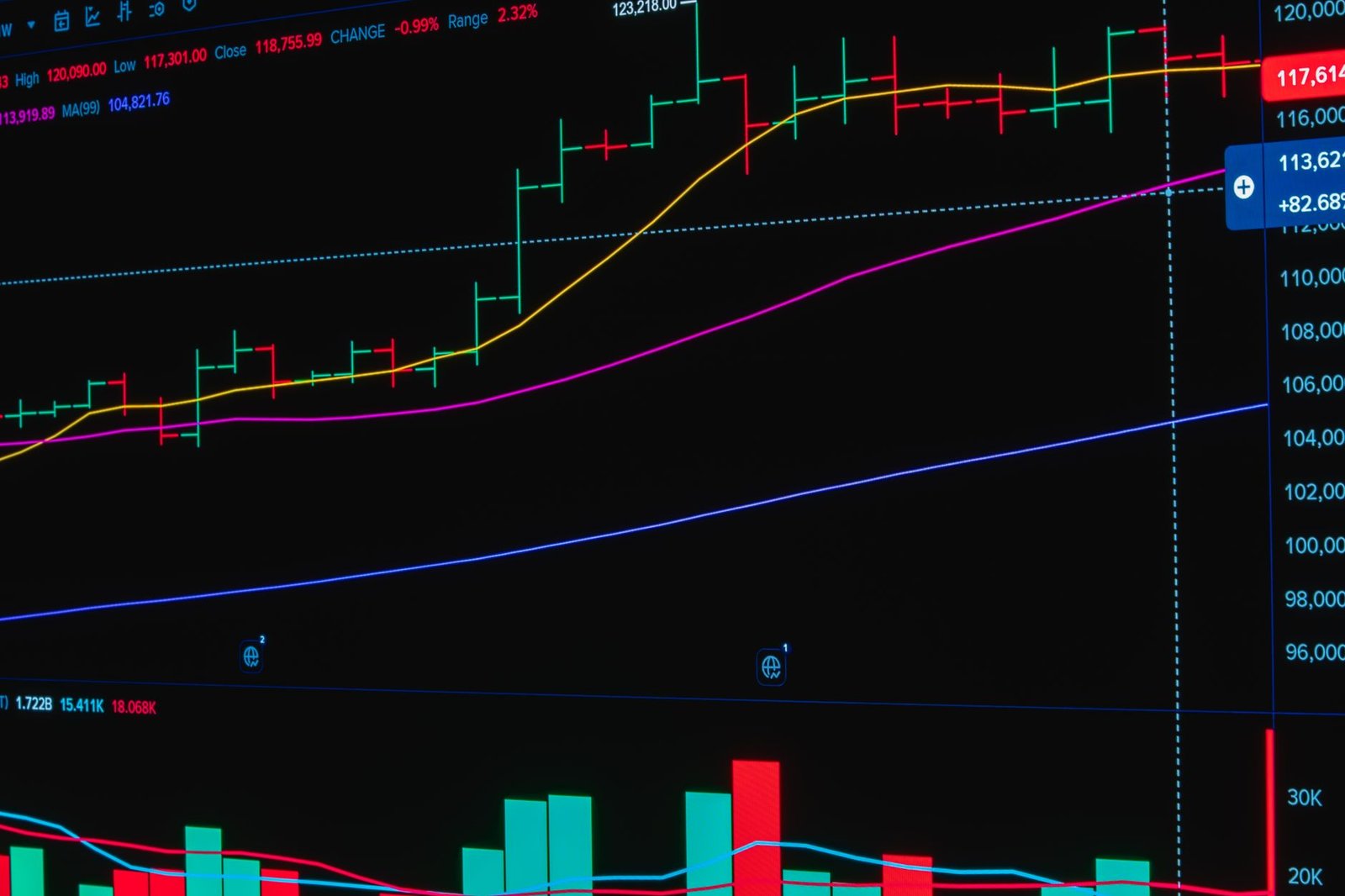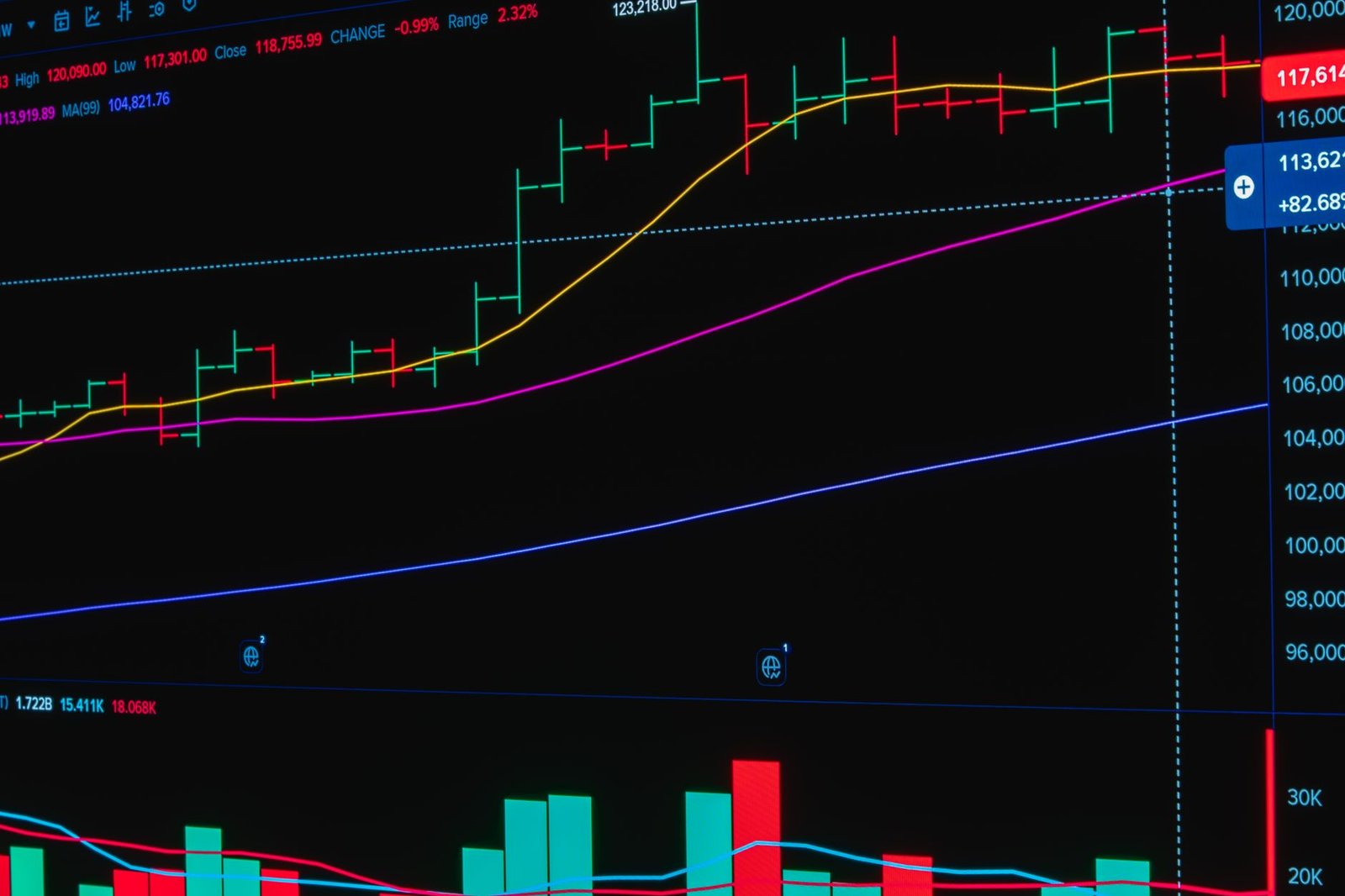

Philippine gambling risks are becoming a pressing concern as the sector faces increasing digital threats and revenue pressure. This article explores the factors contributing to these challenges and their potential impact on the industry.
Understanding the Current Landscape
The Philippine gambling industry has experienced significant growth in recent years, but it now faces a myriad of risks that could threaten its revenue streams. As the sector evolves, understanding the current landscape becomes crucial for stakeholders.
One of the primary challenges is the surge in digital gambling platforms, which have proliferated due to advancements in technology and increased internet accessibility. These platforms present both opportunities and threats to traditional gambling establishments. While they expand the market, they also contribute to regulatory complexities and potential revenue loss for land-based operations.
In addition, the Philippine gambling sector is grappling with increased scrutiny from the government. Authorities are implementing stricter regulations to ensure compliance and mitigate issues related to problem gambling. This regulatory environment can impose additional costs on operators and hinder their ability to adapt quickly to market demands.
The rise of illegal gambling activities further exacerbates the situation. Many unregulated operators can offer lower prices and more attractive promotions, drawing customers away from licensed establishments. This competition not only threatens the bottom line of legitimate businesses but also poses significant risks to tax revenues for the government.
With these challenges, it is imperative for stakeholders to navigate the complexities of the market and find ways to mitigate the Philippine gambling risks while capitalizing on growth opportunities.
Key Factors Affecting Revenue
The Philippine gambling industry is navigating a complex landscape influenced by various factors that significantly impact revenue generation. Understanding these key elements is critical for stakeholders aiming to mitigate risks associated with gambling operations.
- Regulatory Changes: Frequent shifts in government policies can create uncertainty for operators, affecting their ability to plan long-term strategies. As regulations tighten, many licensed operators face heightened compliance costs.
- Digital Security Threats: As the sector expands online, the risks of cyberattacks increase. Operators must invest in robust cybersecurity measures to protect sensitive customer data and maintain trust.
- Market Competition: The rise of international online gambling platforms poses a challenge to local operators. Increased competition can lead to price wars, ultimately squeezing profit margins.
- Consumer Behavior: Shifts in consumer preferences, especially among younger demographics, could affect traditional gambling venues. Adapting to these changes is crucial for sustaining revenue streams.
- Economic Factors: The overall economic climate plays a significant role. Economic downturns can reduce disposable income, leading to decreased spending on gambling, thereby amplifying risks in the sector.
Addressing these challenges head-on is essential for the future of the Philippine gambling industry, ensuring it remains resilient amidst emerging threats and evolving market dynamics.
Digital Risks in the Gambling Sector
The evolution of technology has brought significant changes to the Philippine gambling sector, yet it has also introduced various digital risks that threaten both operators and players. With the rapid expansion of online gambling platforms, the industry faces challenges that could impact revenue generation.
One of the primary concerns is cybersecurity. As more players engage in online betting, the potential for data breaches and cyberattacks increases. These incidents can lead to the loss of sensitive customer information, resulting in a decline in trust and, subsequently, a reduction in revenue. Operators must invest heavily in securing their systems to mitigate these risks.
Additionally, the rise of unregulated online gambling sites poses a significant threat. These platforms often operate outside the law, making it difficult for authorities to monitor and regulate their activities. The proliferation of such sites can divert players from licensed operators, further straining legitimate revenue streams.
Another aspect of digital risks involves payment processing. Many traditional banking institutions hesitate to engage with gambling-related transactions, which can limit accessibility for players. This situation creates a barrier that could lead to decreased participation, impacting overall revenue.
In conclusion, while digital innovation in the Philippine gambling sector offers opportunities for growth, it also brings substantial risks that must be addressed to sustain revenue and protect stakeholders.
Impact of Regulation on iGaming
The regulation of iGaming in the Philippines has become a pivotal factor impacting the overall health of the gambling sector. With the rise of online gambling platforms, the government has been tasked with creating a framework that balances revenue generation with consumer protection.
One of the primary goals of regulation is to minimize the risks associated with Philippine gambling. By enforcing strict guidelines, authorities aim to protect players from fraud and ensure fair play. However, the regulatory landscape is continually evolving, which can create uncertainty for operators and investors alike.
The challenges are compounded by the need to adapt to emerging technologies that often outpace legislation. As a result, the regulatory body must stay one step ahead to mitigate risks effectively. This includes:
- Implementing robust licensing requirements to prevent unregulated operators from entering the market.
- Enhancing security measures to safeguard user data and financial transactions.
- Promoting responsible gambling practices to reduce the social impact of gambling addiction.
While regulation is essential for safeguarding consumers, it may also impose additional costs on operators, thereby affecting their profit margins. As the Philippine gambling sector continues to face digital risks and revenue pressures, the balance between regulation and market competitiveness remains crucial.
Strategies for Mitigating Risks
As the Philippine gambling sector navigates through various challenges, it is crucial to implement effective strategies for mitigating risks associated with gambling. Stakeholders must remain proactive in addressing potential threats that could impact revenue streams.
One significant approach involves enhancing regulatory compliance. Operators should work closely with government agencies to ensure adherence to laws and guidelines. This not only fosters a safer gaming environment but also builds trust with consumers, which can lead to increased participation.
Moreover, investing in technology and cybersecurity is essential. With the rise of digital platforms, the risks of hacking and data breaches have escalated. By prioritizing cybersecurity measures, gambling operators can protect sensitive information and maintain the integrity of their services.
Another strategy is promoting responsible gambling practices. This can be achieved by implementing educational programs that inform players about the risks associated with gambling. Offering tools for self-exclusion and setting betting limits can also help mitigate potential harm.
Lastly, fostering partnerships with community organizations can enhance public awareness and support. By engaging with local stakeholders, the industry can address social concerns and promote a healthier gambling environment.
In conclusion, by adopting these strategies, the Philippine gambling sector can better manage the risks associated with gambling, ultimately safeguarding revenue and ensuring sustainability.
Future of Philippine Gambling
The future of Philippine gambling is poised to face a myriad of challenges that could significantly impact revenue streams. As the industry continues to evolve, several factors will shape its trajectory and influence the associated risks.
One major area of concern is the increasing competition from neighboring countries that are also expanding their gambling markets. These nations are implementing attractive regulations and promotional strategies that could lure potential gamblers away from the Philippines. In this context, the Philippine gambling risks extend beyond local concerns and must account for international competition.
Furthermore, technological advancements are creating new opportunities but also pose significant threats. The rise of online gambling platforms has made it easier for individuals to engage in gaming activities, but it has also raised issues related to regulation and consumer protection. Security vulnerabilities in digital platforms can lead to data breaches and financial losses, further complicating the landscape.
In response to these challenges, industry stakeholders must focus on adopting innovative strategies that not only enhance user experiences but also prioritize safety and compliance. Continuous monitoring of market trends, along with proactive regulatory measures, will be critical in navigating the evolving landscape of Philippine gambling.
Ultimately, the resilience of this sector will depend on how effectively these risks are managed and how swiftly the industry can adapt to changing circumstances.
Stakeholder Reactions
In response to the growing concerns surrounding Philippine gambling risks, various stakeholders have voiced their opinions on the evolving landscape. Industry experts, regulators, and advocacy groups are increasingly aware of the potential challenges that could threaten revenue streams.
- Industry Experts: Many professionals within the gambling sector emphasize the importance of adopting robust security measures to safeguard against digital threats. They argue that without proper investment in technology, the sector risks losing both revenue and credibility.
- Regulators: Government officials are calling for more stringent regulations to ensure a fair and safe gambling environment. They highlight the need for transparency and accountability to build public trust and maintain revenue generation.
- Advocacy Groups: Organizations focused on responsible gambling have raised alarms about addiction and its societal impacts. They believe that addressing these issues is crucial for sustainability and long-term revenue health.
As these stakeholders continue to engage in discussions, the consensus appears to be that collaboration is essential. By working together, they can develop strategies to combat the risks associated with gambling in the Philippines. The future of the sector will likely depend on the balance between regulation, innovation, and responsible practices.
Expert Opinions on Industry Challenges
Experts in the Philippine gambling industry have expressed significant concerns regarding the various risks impacting revenue, emphasizing that the landscape is evolving rapidly due to technological advancements and regulatory changes. A prominent analyst, Dr. Maria Santos, highlights that “the Philippine gambling risks are multi-faceted and demand immediate attention from all stakeholders.”
In a recent conference, industry leaders discussed the implications of unregulated online platforms that lure players away from licensed operators. Mark Villanueva, a leading economist, stated, “The increase in unlicensed activities not only poses a threat to revenue but also undermines the integrity of the entire sector.” This sentiment echoes the fears that the lack of proper oversight could eventually lead to a decline in consumer trust.
Additionally, experts pointed to issues surrounding player protection. Dr. Aileen Rodriguez emphasized, “Without effective measures in place, vulnerable populations may be exploited, exacerbating the social costs associated with gambling.”
As stakeholders navigate these challenges, they are urged to adopt a more proactive approach to mitigate risks and ensure sustainable growth in the Philippine gambling sector. The consensus is clear: addressing these concerns is vital not only for maintaining revenue but also for safeguarding the future of the industry.
As the industry continues to grow, stakeholders must remain vigilant about the Philippine gambling risks that could undermine long-term profitability. Understanding these Philippine gambling risks is essential for ensuring a sustainable future for gaming in the country.
Photo by Pavel Danilyuk on Pexels
References
Related stories
Swedish live casino market: Proven success for Evolution · Polymarket Promo Code: Get a Quick $50 Bonus Today · India vs Bangladesh cricket: Best performance leads to final